
A student learns something in minutes that once took hours to understand. A teacher discovers new ways to inspire a classroom, and a small business owner finds opportunities that once seemed out of reach. Behind these everyday changes is artificial intelligence (AI)—a technology reshaping not just how the world works, but what people can achieve.
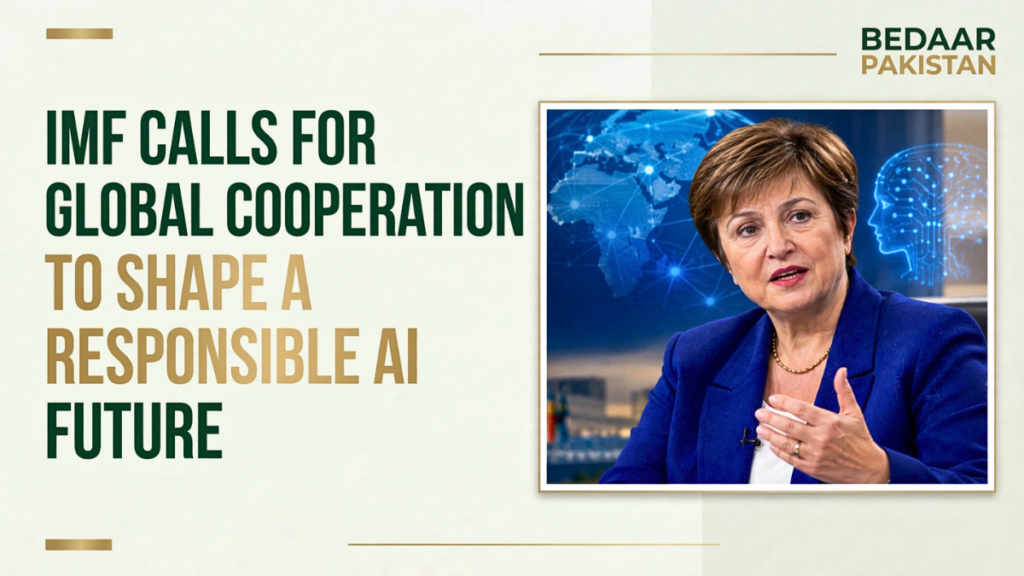
On October 16, 2026, the International Monetary Fund (IMF) highlighted the importance of safeguards to ensure that AI’s risks do not outweigh its opportunities. As the technology advances, one question becomes increasingly important: how can the world turn this remarkable innovation into meaningful progress for everyone?
How AI Is Transforming Work and Creating New Opportunities
At first, a new AI tool may seem like just another piece of technology. Then a company discovers it can complete certain tasks faster, a new digital service reaches customers, and workers begin exploring skills they had never considered before. Little by little, AI starts changing not only how businesses operate, but also where new opportunities can emerge.
For countries around the world, this shift brings both promise and responsibility. As the IMF highlights the importance of responsible AI, the focus extends beyond technological progress to how economies and people can prepare for it. Access to digital skills, suitable infrastructure and opportunities to adapt will help determine who can benefit from this transformation.
The bigger story is not simply that machines can do more. It is that thoughtful use of AI could help businesses grow, open new career paths and support economic progress—provided people remain at the centre of the change.
Why Responsible AI and Global Cooperation Matter
Imagine two countries adopting artificial intelligence at the same time. One focuses on developing new applications, while the other works on ways to protect users and ensure the technology is used responsibly. If countries share knowledge and work towards common principles, both can contribute to a future where innovation and public trust grow together.
This is why global cooperation matters. AI systems can influence business, education, employment and access to information across borders. Principles related to privacy, fairness, transparency and safety can help guide how these systems are developed and used.
The IMF’s emphasis on responsible AI highlights the importance of looking beyond technological progress alone. Cooperation between countries can help them exchange expertise, prepare for economic changes and encourage innovation while keeping people’s interests at the centre.
Making AI Benefits Accessible to Everyone
When a new digital service becomes popular, some people quickly find ways to use it, while others are still waiting for reliable internet, affordable devices or the skills to get started. The same gap can shape who benefits from artificial intelligence as it becomes more widely used across the global economy.
Making AI accessible involves more than providing the technology. People also need opportunities to build digital skills, businesses need suitable infrastructure, and workers need support to adapt as jobs change. Without these foundations, the opportunities created by AI may remain out of reach for many communities.
This is why inclusive growth matters in discussions about AI and the IMF. International cooperation can help countries share expertise and strengthen their ability to adopt AI responsibly, so that technological progress creates opportunities for a wider range of people—not just those who already have access.
Building a Future Where People and AI Thrive Together
A new technology arrives, businesses begin exploring its possibilities, and workers start learning how to use it. Over time, what once seemed unfamiliar becomes part of everyday life. Artificial intelligence is at this stage of change, and the decisions made today will help shape how people experience its benefits in the years ahead.
For that future to work, innovation needs to move alongside preparation. Workers need opportunities to develop new skills, businesses need guidance on responsible AI use, and countries need to cooperate as the technology crosses borders. These efforts can help turn AI’s growing capabilities into practical benefits for society.
The IMF’s focus on safeguards and responsible innovation reflects an important idea: progress is not measured by technology alone, but by how well it serves people. A future where AI and humanity thrive together is one in which innovation creates opportunities while human judgement, trust and well-being remain central.
A few years from now, many of the ways people work, learn and run businesses may look very different from today. Some changes will arrive gradually; others may transform entire industries. What will matter is how well societies prepare for this evolving reality. The IMF’s call for responsible AI and global cooperation brings this question into focus: as the technology moves forward, the world has an opportunity to shape its direction through informed choices, shared knowledge and a commitment to putting people first.